


Can You Duplicate a Restricted Security Key? What You Need to Know
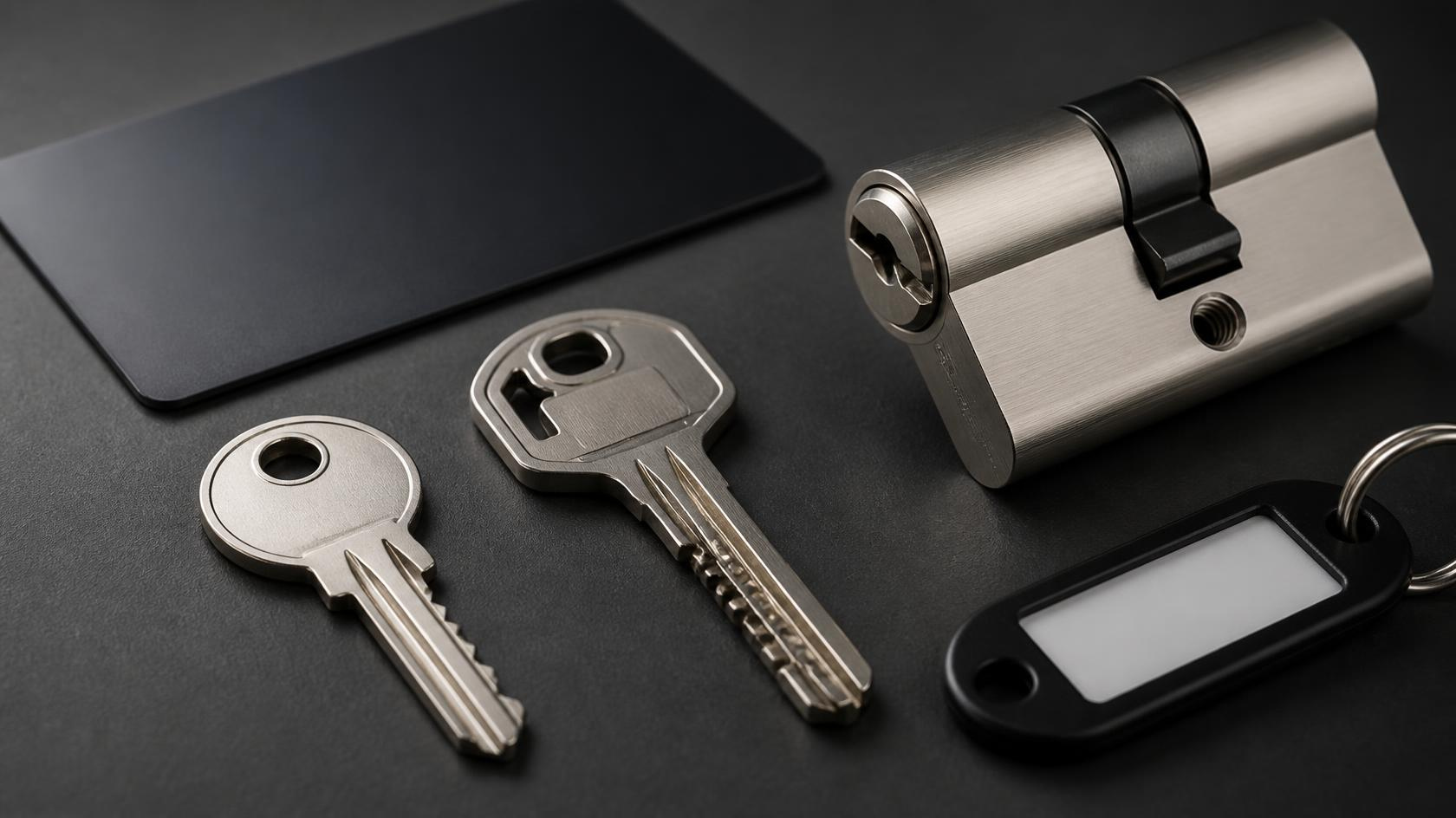
Locks are not made equal; some just offer better protection than others. As such, when it comes to protecting your property, you need to pick the right security measure.
Many people assume any key can be copied easily, but restricted keys work differently. These keys are designed to limit who can make copies and under what conditions. If you’re worried about unwanted break-ins, restricted key systems provide a smarter solution.
This article serves as your guide to what restricted security keys are and whether duplication is possible.
What Makes a Key “Restricted”
Restricted keys are controlled key systems with special blanks or profiles. They are often used for better access control in homes, apartments, commercial buildings and strata properties.
These high-security keys are restricted. The restriction is not just the words stamped on the key but rather about authorised duplication.
Can a Restricted Security Key Be Duplicated?
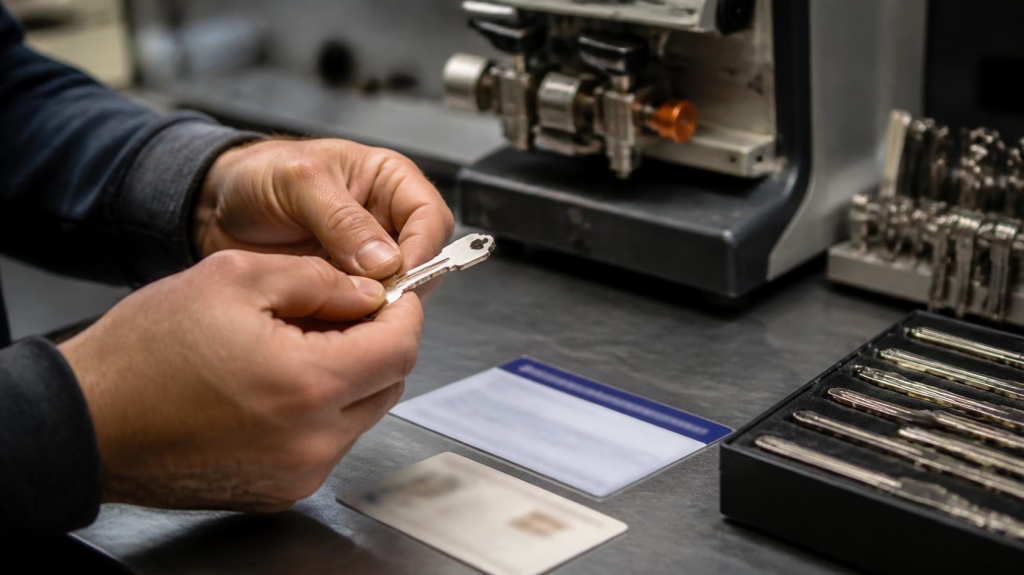
Yes, in some cases it can be duplicated, but only through the proper authorised process. The owner, property manager, or designated contact usually needs to approve the copy before any subsequent cutting.
Therefore, if someone finds your key and attempts to have it duplicated, they won’t be able to. Any duplication without authorisation may not be allowed and should never be treated like standard key cutting.
Why “Do Not Duplicate” Is Not Always the Same Thing
A key stamped “Do Not Duplicate” is not always the same as a true restricted key. Some keys carry that marking as a warning or request, but they may still be physically copyable in some places.
If you want to maintain key control, it’s better to look into restricted keys. They’re higher-security keys with significantly controlled systems and protection.
Although it can be duplicated, permission to make a copy should be granted first. Any unauthorised duplication could lead to legal action.
Who Can Authorise a Copy
Only the following have the right to request duplication:
- The property owner. The person who legally owns the property.
- The strata manager. The person involved in coordinating the affairs of the owner’s property, which includes administrative operations.
- The business owner. The person who runs a business at the property, and therefore has a say over the premises.
- The authorised tenant or manager with permission. A person who does not own the property but has permission to use and manage it.
As a further requirement, proof of ownership or written authority should be presented before a locksmith will cut another copy. This eliminates the possibility of unauthorised key cutting and ensures only legitimate people receive duplicates.
Why Restricted Key Systems Exist
Restricted key systems are used for three main purposes:
- Better control. Reduce the risk of copies being made without you knowing.
- Better accountability. Help property owners know who exactly has access to your keys and act quickly when the key goes missing.
- Better security. Protect properties from break-ins by only giving access to the right people to the right places.
When You May Need a Duplicate
If you are in these situations, you need a reliable local locksmith to make excellent copies of your key.
- A spare key for an approved family member.
- A backup for a manager or staff member.
- Access for trusted maintenance or emergency use.
- Replacement for a damaged or lost authorised key.
Even when a copy is needed, the process should still follow the system’s rules.
What to Do If You Need Another Key
Need another key? Don’t make a copy just yet, and understand how key copying works first.
That said, here’s our practical step-by-step guide:
- Check whether your key is part of a restricted system to confirm whether you need authorisation or not to make a copy.
- If it requires authorisation before duplication, find the original paperwork or authorisation card.
- Contact the original locksmith or authorised provider for key owner verification, ensuring the key cutting process is legal.
- Provide proof of ownership or permission from the owner or lock company. This is an added requirement to show that you have permission to make a copy.
- Follow the rules strictly and request the copy through the proper channel only.
- Once clearance is obtained, look for a reputable locksmith with the right experience and equipment for proper key duplication.
Why a Professional Locksmith Matters
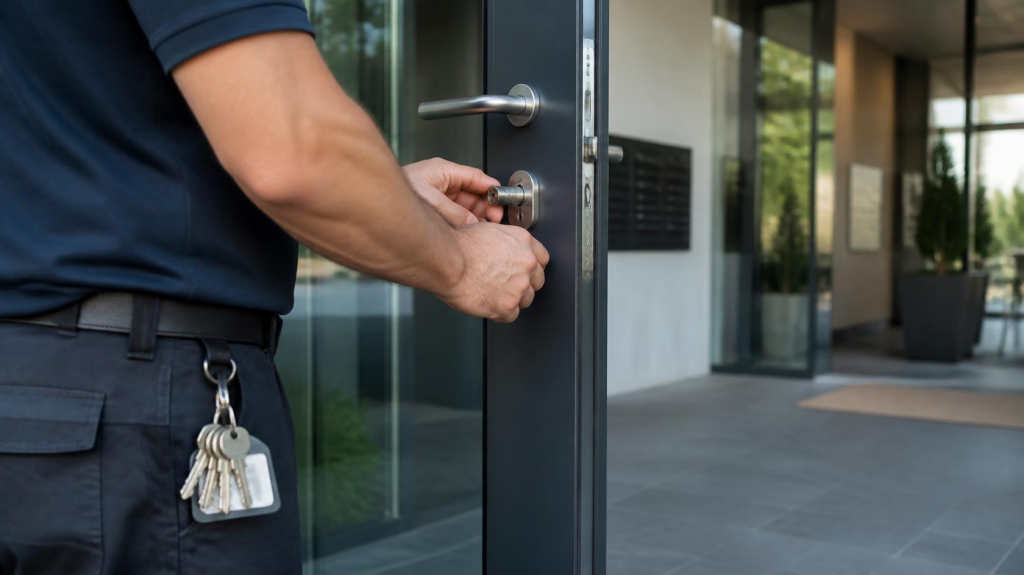
Key cutting and duplication is a key service that requires experience and skills. A professional locksmith can tell the difference between a standard key, a controlled key, and a truly restricted system. They can advise whether your key can be duplicated legally and safely.
With the expertise of an established key-cutting specialist, you can have peace of mind. They can copy your key accurately and safely, avoiding any legal trouble or damage to your lock or any areas it protects.
Clockwork Locksmiths is a trusted Sydney locksmith for key control, restricted systems, and professional advice. We pride ourselves on quality service built on 20 years of experience in the locksmith and security field. We know exactly what our job is and deliver it at competitive prices.
Conclusion: Know the Rules Before You Copy
Restricted security keys are designed to limit copying, but authorised duplication may still be possible. To create a copy legally, check ownership, permission, and system rules before trying to make another key.
Contact Clockwork Locksmiths for help with restricted key systems or duplication advice. Learn more about how we can elevate your property’s overall security in 2026.